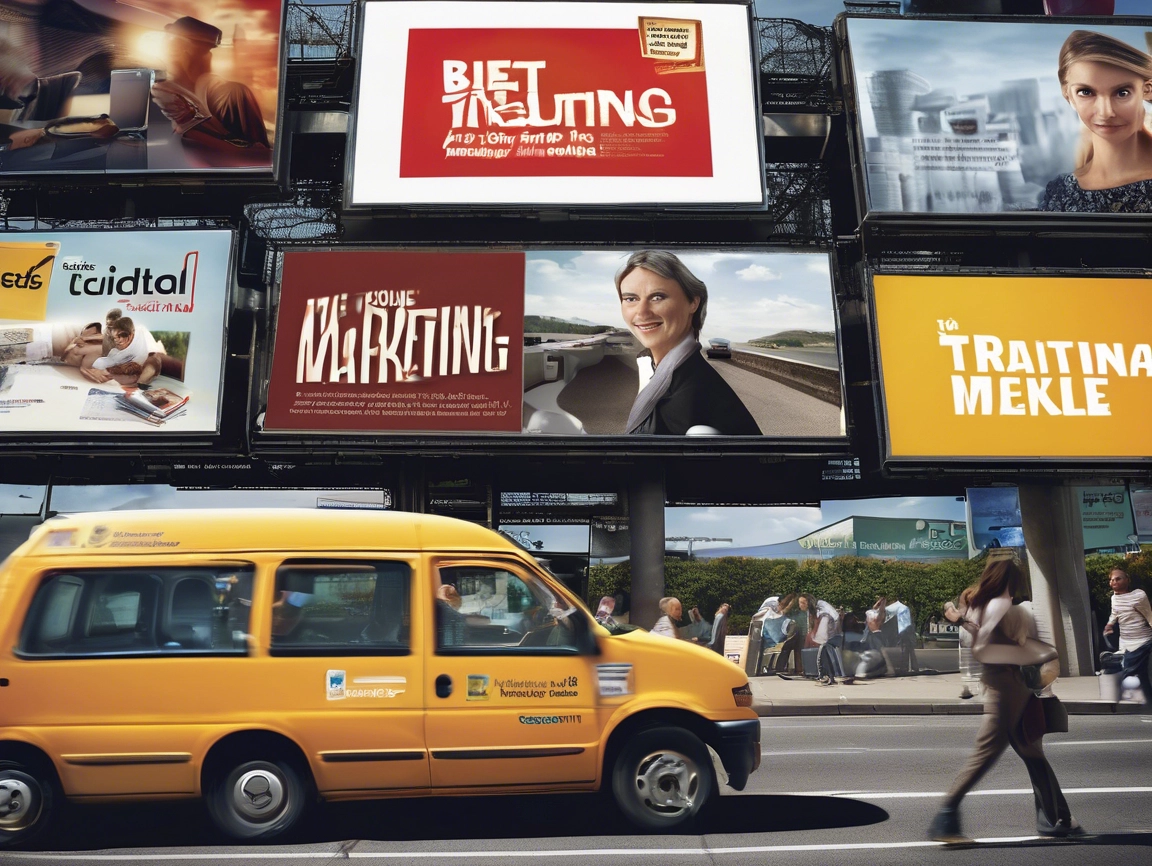
Why Traditional Marketing is Still Relevant in 2025
In an era dominated by digital channels, traditional marketing continues to play a vital role in brand building and customer engagement. While digital marketing has transformed the landscape, traditional marketing remains a powerful tool for businesses looking to reach wider audiences, establish trust, and create lasting impressions. Here’s why traditional marketing is still relevant in 2025 and beyond.
Sammy Bukasa
Blogger
1. Tangible and Trustworthy Impact
Print advertisements, billboards, direct mail, and TV commercials offer a physical presence that digital ads simply cannot match. Studies show that people still trust print and television ads more than online advertisements, making traditional marketing an essential part of a well-rounded strategy.
2. Broad Audience Reach
Traditional marketing channels, such as radio, newspapers, and TV, allow businesses to reach audiences who may not be active online. This is especially beneficial for brands targeting older demographics or communities with limited internet access.
3. Brand Credibility and Recognition
Seeing a brand’s ad in a reputable magazine, on a billboard, or during prime-time TV builds trust and credibility. Traditional marketing methods have a long history of establishing brand authority, which still holds significant weight today.
4. Less Digital Fatigue
With the rise of digital marketing, many consumers experience ad fatigue due to the overwhelming number of online promotions. Traditional marketing provides a refreshing alternative, offering engaging content without the distractions of pop-ups, banner ads, and email spam.

5. Memorable and High-Impact Campaigns
Traditional advertising formats, like TV commercials and outdoor billboards, create strong visual and emotional connections. Well-executed traditional campaigns can leave a lasting impression, making them more memorable than fleeting digital ads.
6. Local and Community Engagement
For businesses targeting local markets, traditional marketing is invaluable. Flyers, local newspaper ads, community sponsorships, and radio ads help brands connect with their communities and build meaningful relationships with potential customers.
7. Integration with Digital Marketing
Traditional marketing isn’t competing with digital marketing—it complements it. Many businesses successfully integrate traditional and digital strategies, such as using QR codes on print materials to drive traffic to websites or incorporating TV ads into online campaigns for a multi-channel approach.
Final Thoughts
Traditional marketing is far from obsolete. It remains a crucial component of a well-balanced marketing strategy, offering credibility, broad reach, and tangible impact. While digital marketing continues to grow, businesses that embrace a mix of traditional and digital tactics will enjoy the best of both worlds, ensuring long-term success and brand recognition.